

Hydropower – The Backbone of India’s Renewable Energy Future
47 GW Today, 80 GW by 2032, Why Hydropower Is India's Energy Anchor

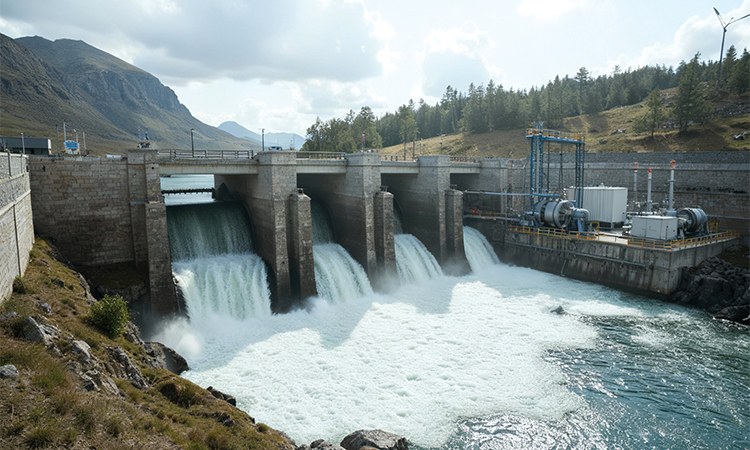
As India moves faster toward clean energy, most people talk about solar panels and wind turbines. These newer technologies often get the attention. But there is another source of renewable power that has been helping for decades. That is hydropower, and it is once again becoming an important part of India’s energy future.
Hydropower is a source of electricity that uses flowing water to turn turbines. It is one of the oldest and most reliable ways to produce clean energy. While solar and wind energy largely depend on the weather, hydropower can be a steady source of electricity at any time of day. This makes it valuable, especially in India, as the country builds a greener and more stable power system.
India’s Hydropower Strength
India is the fifth-largest producer of hydropower in the world. As of mid-2025, the country has an installed capacity of about 47 gigawatts, including large and small hydro projects. Hydropower now makes up around 11 per cent of India’s total electricity generation.
What makes hydropower special and better as compared to other renewable energy sources is its ability to deliver power whenever needed. Depending on the demand, hydropower can quickly increase or decrease the power output. This, in turn, helps balance the national grid, especially when solar and wind energy are not available.
A Natural Partner for Solar and Wind
One of the biggest challenges with solar and wind power is that they are not always available. Solar energy drops off in the evening and during cloudy weather, while wind power can fall off suddenly when wind speeds change. This creates gaps in the electricity supply that can affect homes, businesses, and the overall stability of the grid.
Hydropower helps fill those gaps. Because it can be switched on quickly, it provides backup power when solar and wind generation drop. This flexibility helps prevent blackouts and keeps the grid running smoothly. Also, reservoir-based hydropower plants are capable of storing vast potential energy.
In slow demand, water is stored. In higher demand, stored water is being used to generate power. That stored energy acts as a very large, naturally formed battery, and it can be reused over and over without the chemical batteries’ enormous cost or limited life. The Rise of Pumped Storage
Building further on the idea of storing energy, India is now developing pumped storage hydropower. These are systems where water is pumped up to a higher reservoir using energy generated from solar or wind power. Later, when electricity demand rises, the water is simply released to flow back down and generate power. This technique, besides storing renewable energy, even produces additional power as demand rises, say, during evening time when solar ceases to generate and individuals consume more power.
The government has spotted over 100 gigawatts of opportunity for pumped hydro storage. A number of states, including Maharashtra, Andhra Pradesh, and Madhya Pradesh, are going ahead with large hydropower projects. The systems will assist in maintaining a stable grid with additional renewable energy going live.
Support from Government Policies
The Indian government has taken several steps to support hydropower. In 2019, the govt. decided that large hydropower projects over 25 megawatts would count as part of the renewable energy category. This change made it easier for such projects to receive financing and government support. The government also introduced Hydro Purchase Obligations, which require electricity distributors to buy a certain amount of hydropower. This helps ensure a more balanced mix of renewable sources.
India’s National Electricity Plan 2023 calls for at least 80 gigawatts of hydropower capacity by 2032, including pumped storage. This target shows how important hydropower will be in keeping the power supply clean, steady, and secure.
Challenges That Need Attention
Even though hydropower offers many benefits, there are still some challenges, like:
Large projects often take years to build. They also face environmental concerns, land use issues, and delays in getting approvals. Another concern is climate change. Changing rainfall patterns and river flows may affect how much water is available for hydropower. This means future projects must be designed to handle unpredictable weather.
To reduce these problems, many developers are turning to small hydro and run-of-river projects. These have a smaller environmental impact and are often faster to build. New technologies and better planning are also helping to make hydro projects more efficient and more acceptable to local communities.
The Road Ahead
Hydropower is not just an old technology from the past. It is a key part of India’s clean energy future. Its ability to provide electricity at any time makes it different from solar and wind. As battery storage becomes more common, hydropower will still be needed for its large-scale and long-duration storage capabilities.
With the rise of pumped storage and strong government support, hydropower will continue to play a leading role in India’s energy system. It will help keep the lights on when other renewables cannot and will support a grid that is both green and reliable.