


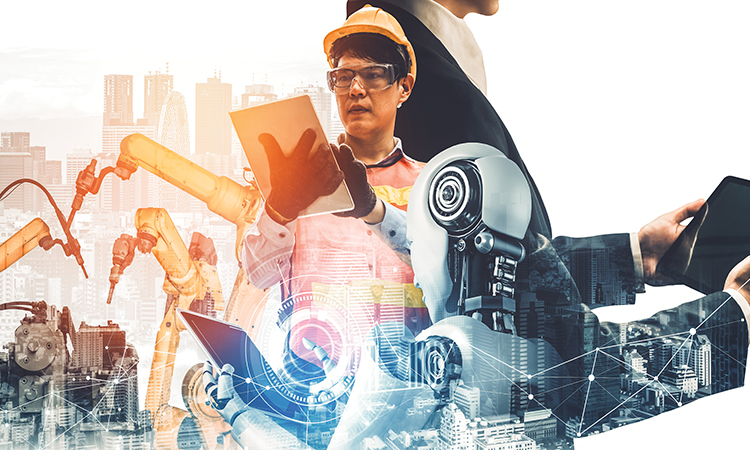
The construction industry has long been recognized as one of the most challenging and hazardous sectors worldwide. Workers routinely face risks associated with working at heights, operating heavy machinery, handling hazardous materials, and performing physically demanding tasks in constantly changing environments. For decades, construction safety equipment largely consisted of basic hard hats, gloves, safety shoes, and reflective vests. While these essentials remain indispensable, the world of construction safety equipment has undergone a remarkable transformation in recent years. Today, safety equipment has evolved beyond simple protection to become an intelligent, technology-enabled system designed to prevent accidents, monitor worker health, and improve overall site safety. Driven by stricter regulations, technological advancements, and a growing commitment to worker welfare, construction safety equipment has truly come of age.
Safety Takes Center Stage
The modern construction industry is witnessing unprecedented growth, driven by infrastructure development, urbanization, smart cities, industrial projects, and transportation networks. As projects become larger and more complex, safety has emerged as a critical performance indicator. Project owners, contractors, and regulatory authorities increasingly recognize that workplace accidents result not only in human suffering but also in project delays, financial losses, legal liabilities, and reputational damage. Consequently, investments in advanced safety equipment are no longer viewed as expenses but as strategic necessities. The industry’s approach has shifted from merely complying with safety regulations to proactively creating safer work environments through innovative technologies and equipment.
The Evolution of Head Protection
The humble hard hat remains one of the most recognizable symbols of construction safety. However, modern helmets have evolved significantly from their traditional counterparts. Today’s safety helmets are lighter, stronger, and ergonomically designed for prolonged use. Advanced materials such as high-impact thermoplastics and composite polymers offer superior protection while reducing weight and user fatigue. More importantly, smart helmets are making their way onto construction sites. Equipped with sensors, GPS modules, communication systems, cameras, and impact detection technology, these helmets provide real-time information about worker location and safety status.
Some models incorporate augmented reality displays that allow supervisors and technicians to access project drawings, installation procedures, and inspection data directly within their field of vision. Such innovations not only improve safety but also enhance productivity and accuracy.
Fall Protection Reaches New Heights
Falls from heights remain one of the leading causes of injuries and fatalities in construction. As a result, fall protection equipment has witnessed substantial innovation. Modern full-body harnesses are designed with enhanced ergonomics, improved weight distribution, and breathable materials that increase worker comfort during extended use. Adjustable designs ensure a better fit and encourage consistent compliance. Self-retracting lifelines and advanced shock-absorbing lanyards provide greater mobility while minimizing fall impact forces. New-generation anchorage systems offer improved flexibility for workers operating on complex structures and elevated platforms.
Technology is also playing a role in fall prevention. Smart harnesses equipped with sensors can detect sudden movements, monitor worker positioning, and trigger alerts when unsafe conditions are identified. In the event of a fall, automated emergency notifications can significantly reduce rescue response times.
Smarter Visibility Solutions
Construction sites are often crowded environments where workers, vehicles, cranes, and heavy equipment operate simultaneously. Visibility is therefore a critical safety factor. Traditional reflective vests have evolved into high-performance garments featuring enhanced reflective materials and fluorescent fabrics that remain highly visible under varying light conditions. Some advanced safety vests now incorporate LED illumination systems that improve worker visibility during night operations, tunnel construction, and low-light environments. Connected safety vests equipped with proximity sensors can communicate with construction vehicles and machinery, warning both operators and workers when they enter dangerous zones. Such systems help prevent collisions and struck-by incidents, which remain significant concerns on construction sites worldwide. Intelligent Safety Footwear
Safety footwear has come a long way from the heavy, uncomfortable boots of the past. Modern construction boots combine robust protection with exceptional comfort and ergonomic design. Manufacturers now utilize lightweight composite toe caps instead of traditional steel components, reducing overall weight without compromising protection. Advanced sole materials provide superior slip resistance, puncture protection, and shock absorption. Some footwear manufacturers have integrated wearable technology into safety shoes. Embedded sensors can track worker movement, detect slips and falls, and monitor fatigue-related indicators. These capabilities provide valuable data for improving workplace safety management. The emphasis on comfort is particularly important because workers who are comfortable are more likely to wear safety equipment consistently and correctly.
Respiratory Protection for Emerging Risks
Construction activities often generate dust, fumes, and airborne contaminants that can pose serious health risks. Innovations in respiratory protection are helping address these challenges more effectively than ever before. Modern respirators feature advanced filtration technologies capable of removing fine particulates, silica dust, welding fumes, and hazardous airborne substances. Lightweight designs and improved airflow systems enhance comfort and reduce breathing resistance. Powered Air Purifying Respirators (PAPRs) are increasingly being adopted for demanding applications. These systems use battery-powered fans to supply filtered air, reducing worker fatigue during prolonged use. Some smart respiratory systems can monitor air quality and filter condition in real time, providing alerts when replacement or maintenance is required. This ensures that workers receive consistent protection throughout their tasks.
Wearable Technology Enhances Safety
Perhaps the most significant advancement in construction safety equipment is the emergence of wearable technology. Wearable devices such as smart watches, safety bands, and sensor-equipped garments can continuously monitor worker health and environmental conditions. Parameters such as heart rate, body temperature, fatigue levels, and physical activity can be tracked in real time. Heat stress remains a major concern on construction sites, particularly in tropical regions. Wearable sensors can detect early signs of heat exhaustion and trigger alerts before serious health issues arise. Location-tracking technologies also help improve worker accountability and emergency response. During emergencies, supervisors can quickly identify the location of personnel and coordinate evacuation procedures more effectively.
Drones and Remote Monitoring Support Site Safety
Although not technically personal safety equipment, drones and remote monitoring technologies are increasingly complementing construction safety programs. Drones can inspect high-risk areas, monitor site conditions, and conduct structural assessments without exposing workers to unnecessary hazards. They are particularly useful for inspecting roofs, towers, bridges, and other difficult-to-access structures. Combined with artificial intelligence and advanced analytics, drone data can help identify unsafe conditions before accidents occur, enabling corrective actions to be implemented promptly. Remote monitoring systems also allow safety managers to oversee multiple project sites simultaneously, improving compliance and risk management.
Sustainability Influences Safety Equipment Design
Environmental sustainability is now influencing nearly every aspect of industrial manufacturing, including construction safety equipment. Manufacturers are increasingly utilizing recyclable materials, environmentally friendly production methods, and longer-lasting product designs. Sustainable safety equipment not only reduces environmental impact but also lowers lifecycle costs for construction companies. Reusable PPE solutions and modular designs that allow component replacement are gaining popularity as organizations seek to balance safety performance with environmental responsibility.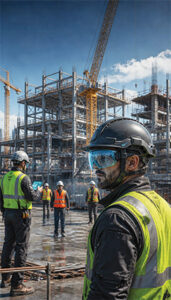
Building a Strong Safety Culture
While technological innovation is transforming construction safety equipment, experts emphasize that equipment alone cannot eliminate workplace risks. The effectiveness of safety gear ultimately depends on proper selection, maintenance, training, and usage. Organizations that foster a strong safety culture are more likely to realize the full benefits of modern safety technologies. Continuous training, regular inspections, employee engagement, and leadership commitment remain essential components of successful safety programs. Construction companies are increasingly integrating technology, training, and behavioral safety initiatives into comprehensive risk management strategies that prioritize worker well-being.
Looking Ahead
The future of construction safety equipment is undoubtedly intelligent, connected, and proactive. Emerging technologies such as artificial intelligence, augmented reality, machine learning, and the Industrial Internet of Things are expected to further enhance safety performance across construction sites. From smart helmets and sensor-equipped harnesses to wearable health monitors and connected safety ecosystems, construction safety equipment has evolved into a sophisticated tool for accident prevention and risk management. As infrastructure projects become larger and more demanding, the importance of advanced safety solutions will continue to grow. The industry’s journey from basic protective gear to intelligent safety systems represents a significant milestone—one that reflects a broader commitment to protecting the lives and well-being of the people who build the world around us. Indeed, construction safety equipment has come of age, and with it comes the promise of safer, smarter, and more productive construction sites for generations to come.