

New Developments in Cranes and Conveyors on the Shop Floor
Smarter, Safer and More Connected Material Handling Systems Redefine Manufacturing Efficiency

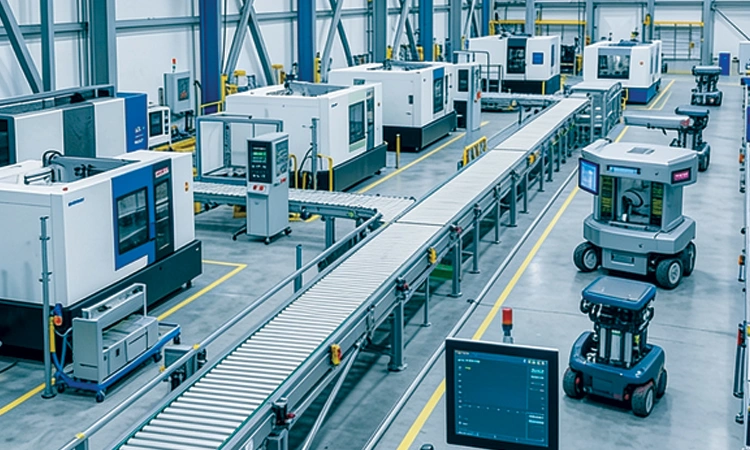
In modern manufacturing, productivity is no longer determined solely by the speed and precision of machine tools. Equally important is the efficiency with which materials, components, and finished products move across the shop floor. Cranes and conveyors-the backbone of industrial material handling-have undergone remarkable transformation in recent years, driven by the demands of Industry 4.0, smart manufacturing, workplace safety, and operational efficiency.
Today’s shop floors require material handling systems that are intelligent, connected, flexible, and capable of supporting high-volume production with minimal downtime. As manufacturers strive to reduce costs, optimize workflows, and improve worker safety, crane and conveyor technologies are evolving rapidly to meet these challenges.
The Changing Role of Material Handling Equipment
Traditionally, cranes and conveyors were viewed as utility systems designed simply to move materials from one location to another. However, in today’s highly automated production environments, they have become integral components of manufacturing strategy.
Material handling systems now contribute directly to productivity, inventory management, workflow optimization, and quality control. Advanced monitoring technologies, automation capabilities, and digital integration are transforming these systems into intelligent assets capable of generating valuable operational insights.
The result is a new generation of cranes and conveyors that support faster production cycles, lean manufacturing initiatives, and data-driven decision-making.
Smart Cranes Enter the Industry 4.0 Era
One of the most significant developments in crane technology is the integration of smart sensors, IoT connectivity, and advanced control systems.
Modern overhead cranes can continuously monitor load conditions, operating cycles, motor performance, vibration levels, and structural health. Sensors embedded throughout the crane system collect data in real time, enabling operators and maintenance teams to track equipment performance and identify potential issues before they result in failures.
This predictive maintenance approach helps reduce unplanned downtime, extend equipment life, and lower maintenance costs. Instead of relying on periodic inspections alone, manufacturers can now monitor crane health continuously and schedule maintenance activities based on actual operating conditions.
![cranes and conveyors
(Crane-Operations)]() Automation Enhances Crane Operations
Automation Enhances Crane Operations
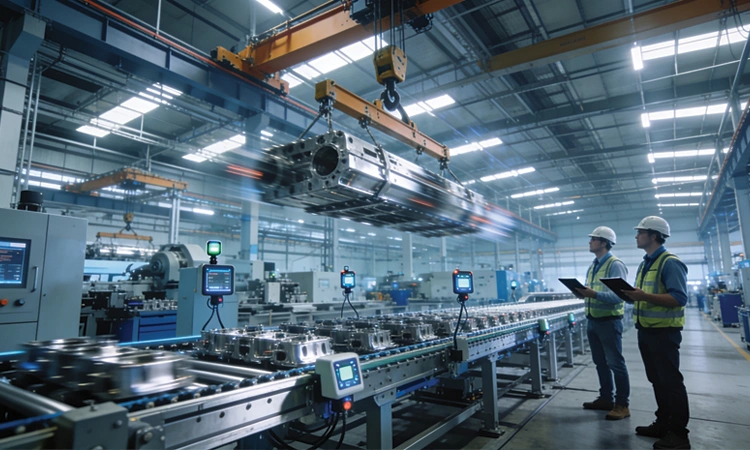 Automation Enhances Crane Operations
Automation is playing an increasingly important role in crane applications across manufacturing facilities.
Semi-automated and fully automated cranes can perform repetitive lifting and transportation tasks with high levels of precision and consistency. These systems are particularly valuable in industries such as steel processing, automotive manufacturing, heavy engineering, foundries, and warehousing.
Automated cranes utilize laser positioning systems, machine vision, and advanced control algorithms to accurately place loads while minimizing human intervention. By eliminating operator variability, these systems improve productivity and reduce the risk of accidents caused by manual handling errors.
In high-volume production environments, automated cranes are enabling continuous operations while maintaining consistent handling performance.
Remote Monitoring and Digital Connectivity
The emergence of Industrial Internet of Things (IIoT) technologies has revolutionized crane management.
Today’s crane systems can transmit operational data to centralized monitoring platforms accessible through computers, tablets, or smartphones. Plant managers can view equipment status, load histories, maintenance schedules, and performance metrics in real time.
Cloud-based monitoring solutions are particularly beneficial for organizations operating multiple facilities. Maintenance teams can oversee crane fleets across different locations and implement proactive service strategies based on actual equipment usage patterns.
Digital connectivity also supports better compliance with safety regulations by maintaining detailed records of crane operations and inspections.
Enhanced Safety Features in Modern Cranes
Safety remains a top priority in material handling operations, and recent crane innovations have focused heavily on accident prevention.
Modern cranes incorporate a variety of advanced safety technologies, including anti-sway systems, overload protection devices, collision avoidance sensors, and automated braking mechanisms.
Anti-sway technology is especially valuable in manufacturing environments where precision load positioning is critical. By minimizing load oscillation during lifting and transportation, these systems improve accuracy while reducing the risk of collisions.
Some advanced cranes also feature operator assistance systems that provide visual and audible warnings when potentially unsafe conditions are detected.
The integration of wearable technologies and proximity detection systems further enhances workplace safety by preventing interactions between cranes and personnel in hazardous zones.
![cranes and conveyors]() Energy-Efficient Crane Technologies
Energy-Efficient Crane Technologies
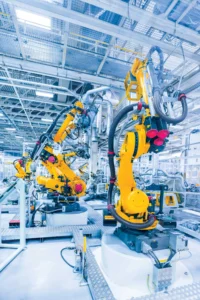 Energy-Efficient Crane Technologies
Sustainability is becoming a key consideration in crane design and operation. Manufacturers are increasingly adopting energy-efficient drives, regenerative braking systems, and intelligent power management technologies.
Regenerative drives capture energy generated during lowering operations and feed it back into the electrical system, reducing overall power consumption. Variable frequency drives optimize motor performance while minimizing energy waste during lifting and travel operations.
These innovations not only support environmental goals but also help manufacturers reduce operating costs in energy-intensive facilities.
Conveyor Systems Become Smarter
Conveyors have also experienced significant technological advancement. Modern conveyor systems are no longer passive transport mechanisms but intelligent components of integrated manufacturing networks.
Smart conveyors equipped with sensors, programmable controls, and IoT connectivity can monitor product flow, detect bottlenecks, and automatically adjust operating parameters to maintain optimal performance.
Real-time data collection enables operators to identify inefficiencies quickly and make informed decisions regarding production scheduling and resource allocation.
As manufacturing facilities become increasingly automated, conveyors are serving as critical links between machines, robotic workstations, storage systems, and inspection stations.
Modular and Flexible Conveyor Designs
The growing demand for manufacturing flexibility has led to the development of modular conveyor systems that can be rapidly reconfigured to accommodate changing production requirements.
Unlike traditional fixed installations, modular conveyors allow manufacturers to expand, relocate, or modify layouts with minimal disruption. This adaptability is particularly valuable in industries characterized by frequent product changes and short production runs.
Modular designs also reduce installation times and support future expansion plans, making them attractive investments for growing manufacturing operations.
Conveyor Automation and Intelligent Routing
Automation is enhancing conveyor functionality far beyond simple transportation.
Advanced conveyor systems can automatically sort products, route materials to different workstations, and prioritize shipments based on production schedules or customer requirements.
Intelligent routing software uses real-time information to determine the most efficient pathways for materials moving through the facility. This capability improves throughput while reducing congestion and unnecessary handling.
In highly automated factories, conveyors work seamlessly with robots, automated storage systems, and manufacturing execution systems to create fully integrated production environments.
Artificial Intelligence and Predictive Maintenance
Artificial Intelligence is beginning to play an important role in conveyor management.
Machine learning algorithms analyze sensor data to detect patterns that may indicate impending component failures. Bearings, motors, belts, rollers, and drive systems can be continuously monitored to predict maintenance requirements before breakdowns occur.
This predictive maintenance approach minimizes unexpected downtime and helps manufacturers maximize equipment availability.
AI can also optimize conveyor speeds, balance workloads across production lines, and improve overall system efficiency based on changing operational conditions.
![cranes and conveyors
(Cranes-Machines)]() Sustainability and Green Material Handling
Sustainability and Green Material Handling
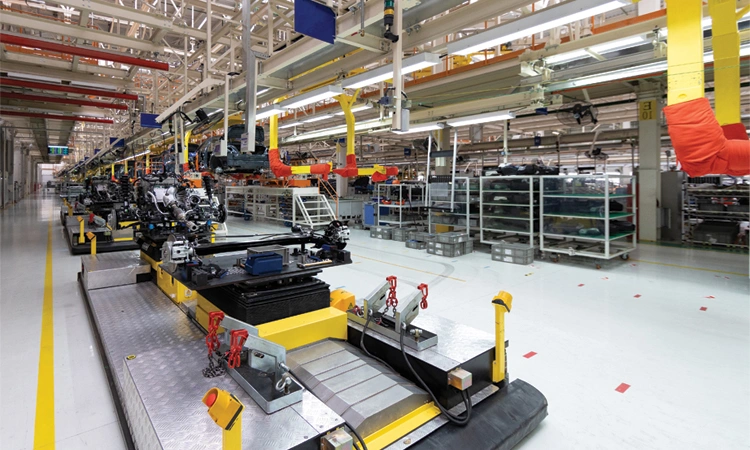 Sustainability and Green Material Handling
Environmental considerations are influencing the design of both cranes and conveyors. Equipment manufacturers are increasingly focusing on energy efficiency, lightweight materials, and environmentally friendly operating practices.
Electric drives, smart power management systems, and energy recovery technologies are helping reduce the carbon footprint of material handling operations.
Additionally, improved equipment reliability and longer service life contribute to sustainability objectives by reducing material consumption and waste associated with replacement parts and maintenance activities.
The Future of Shop Floor Material Handling
The future of cranes and conveyors lies in greater intelligence, connectivity, and autonomy. As Industry 4.0 technologies continue to mature, these systems will become increasingly integrated with broader manufacturing ecosystems.
Artificial intelligence, digital twins, autonomous control systems, and advanced analytics will enable cranes and conveyors to make operational adjustments in real time, improving efficiency and responsiveness.
Manufacturers will benefit from enhanced productivity, improved safety, reduced downtime, and lower operating costs. More importantly, intelligent material handling systems will support the flexibility required to compete in rapidly changing global markets.
Crane and conveyor technologies have evolved from simple mechanical equipment into sophisticated, data-driven assets. As smart factories become the norm, these innovations will play an indispensable role in ensuring seamless material flow, operational excellence, and manufacturing competitiveness for years to come.