

Better Compressed Air Management Powering Industry with Efficiency and Intelligence
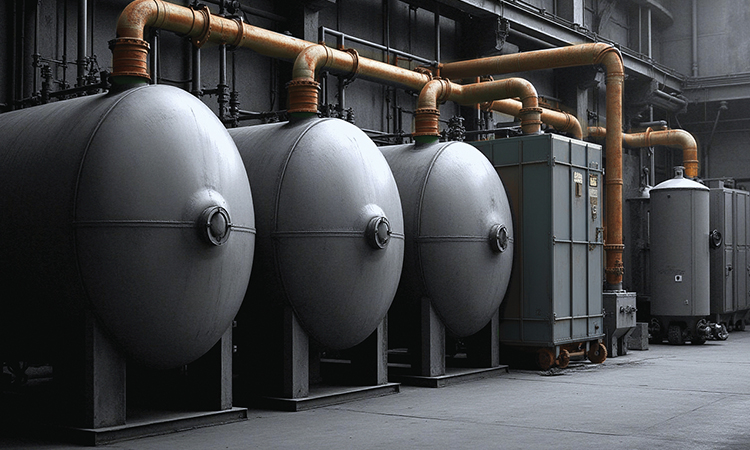
Compressed air has long been an invisible workhorse in Indian industry—driving tools, automating processes, and ensuring uninterrupted production across sectors such as automotive, food processing, textiles, cement, and pharmaceuticals. Often referred to as the “fourth utility” after electricity, water, and gas, it is indispensable in today’s factories. Yet, paradoxically, it is also among the most energy-intensive and least efficiently used utilities.
Studies by the Bureau of Energy Efficiency (BEE) reveal that nearly 30–40% of the energy consumed in producing compressed air is lost due to leaks, poor system design, and inefficient operation. In an era where energy efficiency equals competitiveness, better compressed air management has become not just a technical necessity but a strategic business imperative for Indian manufacturers striving for productivity, sustainability, and cost leadership.
Compressed Air – A Costly but Vital Utility
Compressed air is clean, versatile, and safe—but expensive to generate. Typically, only about 10–15% of the electrical energy used to power a compressor is converted into usable compressed air energy; the rest dissipates as heat. For every rupee saved on compressed air, industries can realize significant reductions in their electricity bills and carbon footprint.
In the context of India’s growing focus on energy conservation, net-zero targets, and Make in India manufacturing excellence, better compressed air management is a low-hanging fruit with high returns.
The Supply Side: Where Efficiency Begins
At the heart of every compressed air system lies the compressor—and that’s where efficiency begins. Today’s compressor technology has evolved dramatically, offering smart, energy-saving solutions tailored to fluctuating industrial demands.
Variable Speed Drive (VSD) Compressors:
Traditional fixed-speed compressors run continuously at full capacity even when demand drops. VSD compressors adjust motor speed automatically to match air demand, saving up to 35% energy and improving system life.
Permanent Magnet and Two-Stage Compressors:
Permanent magnet motors and two-stage compression systems enhance part-load efficiency, delivering more air per unit of power consumed.
Heat Recovery Systems:
Nearly 90% of the energy input to a compressor is released as heat. With heat recovery systems, this energy can be harnessed to preheat process water or for space heating—turning waste heat into a valuable resource.
Smart Sequencing and Controllers:
For facilities running multiple compressors, intelligent sequencing ensures that the most efficient combination operates at any given time. This minimizes idling and maintains stable pressure with minimal energy use.
Many Indian plants today are retrofitting older systems with advanced controllers and monitoring software—an economical step that yields immediate results.
Air Treatment and Quality Management
Compressed air quality directly impacts product consistency and equipment reliability. Contaminants like oil, moisture, and particulates can cause corrosion, clog valves, and damage pneumatic equipment.
Filtration and Drying:
A well-designed filtration and drying setup ensures the right air purity level for every application—from general manufacturing to food-grade and pharmaceutical production. Regular replacement of filters is essential to prevent pressure drops, which force compressors to work harder and consume more energy.
Pressure Optimization:
Operating the system at unnecessarily high pressure is a common pitfall. Reducing system pressure by just 1 bar can reduce energy consumption by around 7%. Plants should maintain only the minimum pressure necessary for end-use applications, often through localized regulators or pressure control valves.
Distribution – The Hidden Source of Wastage
A well-designed compressed air distribution network is vital to sustaining efficiency. Unfortunately, leaks and poor piping layouts are often the biggest sources of energy loss.
Leak Detection and Prevention:
In many Indian factories, leaks account for 20–30% of total compressed air consumption. Regular leak detection using ultrasonic tools, coupled with a structured repair and verification program, can plug this silent drain on resources.
Efficient Piping Design:
Smooth, corrosion-resistant materials such as aluminum or stainless steel reduce friction losses and maintain pressure consistency. Avoiding long runs, unnecessary bends, and undersized pipes further ensures efficient air delivery.
Zoning the Network:
Segmenting the system into pressure zones helps optimize performance, allowing critical areas to receive priority air supply while conserving energy in non-critical zones.
Demand-Side Management – The Other Half of the Equation
While optimizing the compressor room is important, managing air usage on the shop floor is equally crucial.
Eliminate Inappropriate Uses:
Compressed air should never be used for cooling personnel, sweeping floors, or creating drafts—applications better served by blowers or fans.
Storage and Control:
Installing properly sized air receivers and demand-side controllers helps stabilize pressure and manage peaks without forcing compressors to cycle on and off.
Right-Sizing End-Use Equipment:
Ensuring pneumatic tools and actuators are matched to actual pressure and flow requirements prevents overconsumption and enhances performance.
Digitization and Smart Air Management
In the era of Industry 4.0, compressed air systems are becoming smarter and more connected. Advanced monitoring and analytics provide unprecedented visibility into system health, performance, and energy consumption.
Real-Time Monitoring:
Sensors measure parameters such as pressure, temperature, flow rate, and power usage, transmitting data to centralized dashboards for analysis. This enables early detection of inefficiencies and predictive maintenance scheduling.
Predictive and Condition-Based Maintenance:
AI-driven diagnostics can anticipate potential issues—such as rising discharge temperatures or declining flow rates—allowing maintenance teams to take corrective action before breakdowns occur.
Energy Audits and Benchmarking:
Periodic audits establish baseline performance and identify opportunities for improvement. Tools like the BEE’s Perform, Achieve, and Trade (PAT) scheme and ISO 11011 assessments help industries quantify savings and maintain performance standards.
Human Factor – Training and Awareness
Technology alone cannot drive efficiency—people play an equally important role. Operators, maintenance engineers, and plant supervisors must be sensitized to the importance of proper compressed air management.
Regular training can help personnel:
• Understand how system components interrelate
• Detect leaks and anomalies early
• Avoid overuse and misuse of air
• Follow best practices for startup and shutdown
When everyone on the shop floor is energy-conscious, efficiency becomes a culture rather than a campaign.
Accessories that Add Value
Energy-efficient accessories may seem minor but can deliver measurable benefits.
• Air-saving nozzles reduce blow-off air consumption.
• Automatic condensate drains remove water without air loss.
• Pressure regulators and flow controllers maintain consistent delivery pressure, avoiding system fluctuations.
Each of these small innovations contributes to cumulative energy savings and operational stability.
Sustainability and the Bigger Picture
For India’s manufacturing sector, better compressed air management aligns perfectly with national priorities—energy conservation, decarbonization, and Atmanirbhar Bharat. By reducing waste, optimizing energy use, and extending equipment life, industries contribute to both profitability and environmental responsibility.
Companies adopting advanced air management practices often see energy savings of 30–50%—translating into lower operating costs, reduced emissions, and improved reliability. These savings can fund further investments in automation, quality systems, and expansion.
Conclusion – Efficiency is in the Air
As India’s industries march toward smart manufacturing and sustainability, compressed air systems offer immense untapped potential for improvement. Whether through intelligent compressors, leak-free distribution, smart monitoring, or a culture of energy awareness, better compressed air management can transform what was once an energy guzzler into an energy saver.
In the modern factory, every unit of energy saved strengthens competitiveness. It is time Indian manufacturers looked at their compressed air systems not merely as utilities—but as strategic assets in their journey toward operational excellence and net-zero goals. After all, better compressed air management means better business—and cleaner, greener growth for the nation.