

Furnace Automation & Energy-Efficient Furnaces
Energy-efficient furnaces enhance productivity through advanced automation

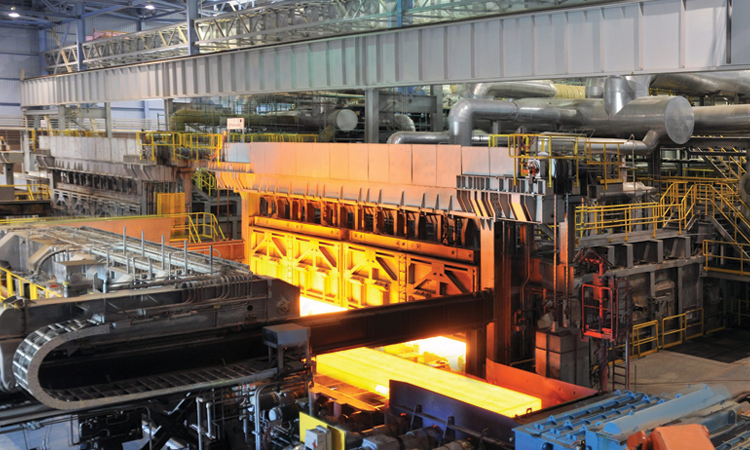
Furnaces play a crucial role in numerous industrial processes, from metal smelting and heat treatment to glass manufacturing and power generation. As industries continue to push for higher productivity and sustainability, furnace automation and energy-efficient furnace technologies have become central to modern manufacturing. By integrating automation with advanced energy-efficient designs, industries are not only reducing operational costs but also minimizing their environmental impact.
The Evolution of Furnace Automation
The automation of industrial furnaces has evolved significantly over the years. Initially, furnaces required extensive manual control, with operators adjusting fuel inputs, monitoring temperatures, and ensuring process stability. However, with advancements in control systems, sensors, and artificial intelligence, today’s automated furnaces operate with minimal human intervention.Modern furnace automation employs Programmable Logic Controllers (PLCs) and Supervisory Control and Data Acquisition (SCADA) systems to regulate temperature, fuel flow, combustion efficiency, and real-time monitoring. These systems optimize furnace operation, reduce energy waste, and enhance process reliability.
Additionally, the integration of Internet of Things (IoT) and Artificial Intelligence (AI) enables predictive maintenance ensuring furnaces operate at peak efficiency while minimizing downtime due to unexpected failures. AI-driven analytics can predict wear and tear in furnace components, allowing for timely maintenance and avoiding costly breakdowns.
Key Components of Furnace Automation
- Advanced Temperature Control: Modern furnaces are equipped with precise temperature sensors and controllers that maintain uniform heating conditions, reducing material defects and energy loss.
- Automated Fuel and Air Regulation: Smart combustion systems adjust the air-fuel ratio dynamically to ensure optimal combustion, reducing emissions and improving energy efficiency.
- Real-Time Monitoring and Data Analytics: SCADA systems continuously collect data on temperature fluctuations, fuel consumption, and overall performance, providing actionable insights for operators.
- Remote Operation and Diagnostics: Cloud-based connectivity allows furnace operation to be monitored and controlled remotely, reducing manual intervention and improving safety.
- Predictive Maintenance: AI-powered algorithms analyze operational data to predict component failures, ensuring timely replacements and minimizing downtime.
Energy-Efficient Furnace Technologies
As industries seek to reduce their carbon footprint, the development of energy-efficient furnace designs has gained prominence. Several innovations contribute to minimizing energy consumption while maintaining or even enhancing productivity.
1. Regenerative & Recuperative Furnaces
One of the most significant advancements in furnace energy efficiency is the development of regenerative and recuperative heat exchangers. These technologies recover waste heat from exhaust gases and reuse it to preheat incoming air, significantly reducing fuel consumption.
- Regenerative Furnaces use a pair of heat storage chambers that alternate between absorbing heat from exhaust gases and transferring it to incoming air.
- Recuperative Furnaces employ a heat exchanger to continuously transfer heat from exhaust gases to fresh air, improving thermal efficiency by up to 30%.
2.Induction Furnaces
Induction heating is a highly energy-efficient method for melting and heating metals. Instead of relying on combustion, induction furnaces generate heat through electromagnetic induction, leading to rapid, precise, and uniform heating.
- Induction furnaces are widely used in the steel, aluminum, and foundry industries due to their fast heating rates, reduced emissions, and lower operating costs.
These furnaces also eliminate the need for fossil fuels, making them an environmentally friendly alternative to conventional gas or coal-fired furnaces.
3. Electric Arc Furnaces (EAFs)
Electric Arc Furnaces (EAFs) are widely used in steel production and offer superior energy efficiency compared to traditional blast furnaces. EAFs use electricity to generate intense heat, melting scrap metal and other raw materials with minimal carbon emissions.
- Modern EAFs incorporate direct current (DC) technology, improving energy efficiency and reducing electrode consumption.
- Smart sensors and AI integration in EAFs further enhance energy management by adjusting power input based on real-time demand.
4. Hybrid and Hydrogen-Based Furnaces
To reduce reliance on fossil fuels, hybrid furnaces that combine electrical and traditional combustion heating are being developed. Additionally, hydrogen-based furnaces are gaining traction as industries explore cleaner alternatives to conventional gas-fired systems.
- Hydrogen combustion emits only water vapor, making it a viable solution for achieving near-zero emissions in high-temperature applications.
- Several steel manufacturers are investing in hydrogen-based direct reduction furnaces to replace carbon-intensive blast furnaces.
Benefits of Furnace Automation and Energy-Efficient Technologies
The adoption of automation and energy-efficient furnace technologies offers numerous advantages:
- Reduced Energy Consumption: Automated control systems optimize fuel usage, reducing energy waste and lowering operational costs.
- Lower Emissions and Carbon Footprint:
Efficient combustion techniques and alternative energy sources contribute to lower CO₂ and NOₓ emissions. - Improved Product Quality:
Precise temperature control and uniform heating conditions lead to fewer defects and higher-quality end products. - Enhanced Operational Safety: Remote monitoring and predictive maintenance reduce risks associated with manual operation and equipment failures.
Increased Production Efficiency: Automated processes improve throughput, minimize downtime, and enhance overall plant productivity.
Future Trends in Furnace Automation and Energy Efficiency
With rapid advancements in technology, the future of industrial furnaces is poised to become even more efficient and environmentally friendly. Some emerging trends include:
- AI-Driven Process Optimization: Machine learning algorithms will further refine furnace operations, predicting and adjusting parameters in real-time for optimal efficiency.
- Integration of Renewable Energy: Solar and wind power will increasingly supplement furnace operations, reducing dependence on traditional energy sources.
- Next-Generation Insulation Materials: Advanced ceramic coatings and high-performance refractory materials will enhance heat retention and minimize energy loss.
- Carbon Capture Technologies: Furnaces will incorporate CO₂ capture and storage solutions to mitigate greenhouse gas emissions.
- Smart Grid Connectivity: Industrial furnaces will be integrated into smart grids, allowing them to optimize energy usage based on real-time electricity demand and availability.
Conclusion
Furnace automation and energy-efficient furnace technologies are revolutionizing industrial heating processes, making them more sustainable, cost-effective, and reliable. With advancements in AI, IoT, and alternative energy sources, industries are moving toward a future where furnaces operate with unprecedented efficiency and minimal environmental impact. The transition to intelligent, energy-efficient furnaces is not just an option—it is a necessity for industries striving for long-term sustainability and competitiveness in a rapidly evolving industrial landscape.