

Breaking New Grounds in Renewable Energy Generation
Innovations Reshaping the Future of Sustainable Power

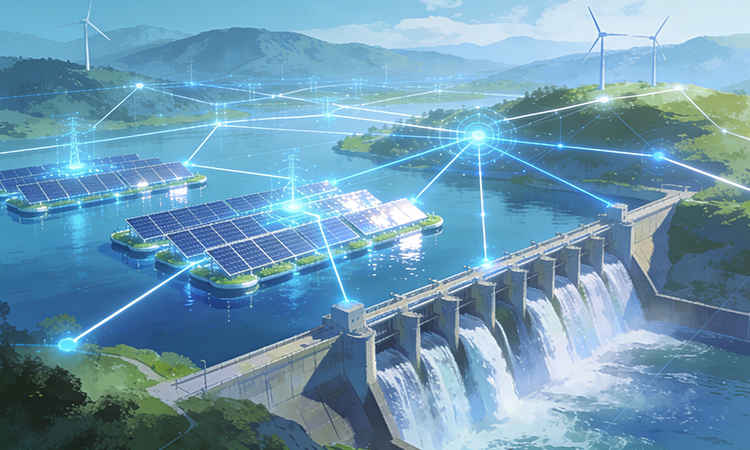
The global energy sector is witnessing a transformation unlike any in its history. Faced with rising energy demand, climate change concerns, depleting fossil fuel reserves, and increasing pressure to reduce carbon emissions, nations and industries worldwide are accelerating their transition toward renewable energy sources.
What was once considered an alternative source of power has rapidly become a mainstream pillar of energy generation. Solar parks are sprawling across deserts, offshore wind farms are harnessing ocean winds, bioenergy plants are converting waste into power, and emerging technologies are unlocking new possibilities in clean energy production. Today, renewable energy is not merely supplementing conventional power generation-it is redefining the way the world produces and consumes energy. Driven by technological breakthroughs, policy support, and growing environmental awareness, renewable energy generation is breaking new grounds across multiple fronts, paving the way for a cleaner, more resilient, and sustainable future.
The Urgency of Energy Transition
Global electricity demand continues to rise due to industrialization, urbanization, population growth, and the electrification of transportation and infrastructure. At the same time, countries are committing to ambitious net-zero carbon targets, making it imperative to reduce dependence on fossil fuels such as coal, oil, and natural gas. Renewable energy offers several compelling advantages:
• Reduced greenhouse gas emissions
• Enhanced energy security
• Lower environmental impact
• Diversified energy sources
• Long-term economic sustainability
These benefits have made renewable energy one of the fastest-growing sectors in the global economy.
Solar Energy: Beyond Conventional Photovoltaics
Solar energy has emerged as one of the most significant contributors to renewable power generation. Over the past decade, dramatic reductions in solar panel costs and improvements in efficiency have accelerated adoption worldwide. However, recent breakthroughs are taking solar technology far beyond traditional photovoltaic systems.
High-Efficiency Solar Cells
Researchers are developing next-generation solar cells that significantly improve energy conversion efficiency.
Technologies gaining prominence include:
• Perovskite solar cells
• Tandem solar cells
• Bifacial solar panels
• Thin-film photovoltaics
These innovations enable greater power output from smaller installation areas, improving economic viability and expanding application possibilities.
Floating Solar Farms
Floating solar installations are creating new opportunities for energy generation on reservoirs, lakes, and water bodies.
Advantages include: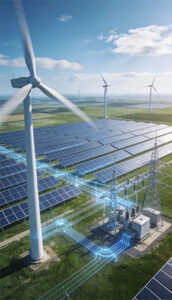
• Reduced land requirements
• Improved panel efficiency through natural cooling
• Lower water evaporation
• Dual use of existing infrastructure
Countries with limited land availability are increasingly adopting floating solar solutions as part of their renewable energy strategies.
Offshore Wind: Harnessing Stronger and More Consistent Winds
Wind energy has evolved considerably from traditional land-based wind farms.
Offshore wind installations are emerging as a major breakthrough due to their ability to access stronger and more reliable wind resources.
• Modern offshore turbines now feature:
• Tower heights exceeding 250 meters
• Rotor diameters larger than football fields
• Individual capacities exceeding 15 MW
These massive machines can generate enough electricity to power thousands of homes.
Floating Wind Turbines
One of the most exciting developments is the emergence of floating offshore wind technology. Unlike conventional offshore turbines anchored to shallow seabeds, floating platforms enable deployment in deeper waters where wind resources are even more abundant. This innovation dramatically expands the geographical potential for wind power generation and opens new opportunities for coastal nations worldwide.
Green Hydrogen: The Next Energy Frontier
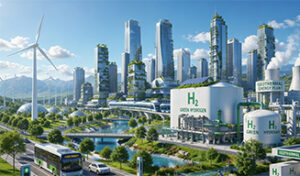
Hydrogen is increasingly viewed as a critical component of future energy systems. Green hydrogen is produced by using renewable electricity to split water into hydrogen and oxygen through electrolysis. Unlike conventional hydrogen production methods that rely on fossil fuels, green hydrogen generates no carbon emissions.
Potential applications include:
• Industrial heating
• Steel production
• Chemical manufacturing
• Heavy transportation
• Power generation
• Energy storage
As electrolyzer technology advances and renewable electricity costs continue to decline, green hydrogen is expected to play a transformative role in global decarbonization efforts.
Bioenergy and Waste-to-Energy Innovations
Renewable energy generation is increasingly embracing circular economy principles through bioenergy and waste-to-energy technologies. Agricultural residues, municipal waste, industrial by-products, and organic materials can be converted into valuable energy resources.
Modern systems include:
• Biomass power plants
• Biogas facilities
• Anaerobic digestion systems
• Refuse-derived fuel technologies
These solutions not only generate energy but also address waste management challenges, creating environmental and economic benefits simultaneously. Advanced biofuels are also emerging as sustainable alternatives for aviation, shipping, and other sectors where direct electrification remains challenging.
Geothermal Energy: Unlocking Earth’s Internal Heat
Geothermal energy remains one of the most underutilized renewable resources. Unlike solar and wind energy, geothermal power provides continuous baseload generation independent of weather conditions.
Recent technological breakthroughs are expanding geothermal potential through:
• Enhanced geothermal systems (EGS)
• Deep drilling technologies
• Advanced reservoir engineering
• Closed-loop geothermal systems
These innovations enable energy extraction from locations previously considered unsuitable for geothermal development. As technology matures, geothermal energy could become a major contributor to reliable renewable power generation.
Ocean Energy: Tapping Untapped Potential
The oceans contain enormous amounts of renewable energy.
Emerging technologies are exploring ways to harness:
 • Tidal energy
• Wave energy
• Ocean thermal energy conversion (OTEC)
• Marine current energy
Although still in early stages of commercialization, these technologies offer significant long-term potential. Ocean energy systems can provide highly predictable power generation, complementing other renewable sources and enhancing grid stability.
Energy Storage: The Key Enabler
One of the biggest challenges associated with renewable energy is intermittency. Solar panels generate electricity only during daylight hours, while wind turbines depend on weather conditions. Consequently, energy storage has become a critical area of innovation.
Advanced Battery Technologies
Lithium-ion batteries have dominated energy storage systems, but new technologies are emerging, including:
• Solid-state batteries
• Sodium-ion batteries
• Flow batteries
• Metal-air batteries
These solutions promise higher storage capacity, improved safety, longer life cycles, and lower costs.
Grid-Scale Storage
Large-scale energy storage facilities are helping utilities balance supply and demand while improving grid reliability. As storage technologies continue to evolve, they will play an increasingly important role in supporting widespread renewable energy adoption.
Artificial Intelligence and Smart Energy Systems
Digital technologies are transforming renewable energy generation and management.
Artificial Intelligence (AI) and advanced analytics are being used to:
• Predict weather patterns
• Optimize energy production
• Improve grid management
• Forecast energy demand
• Enhance asset performance
AI-powered systems enable renewable energy facilities to operate more efficiently while maximizing output and minimizing maintenance costs. Smart grids are further enhancing the integration of distributed renewable energy resources into modern power systems.
Renewable Energy and Industrial Decarbonization
Industries account for a substantial share of global energy consumption and carbon emissions. Renewable energy is increasingly supporting industrial sustainability through:
• Solar-powered manufacturing facilities
• Green hydrogen applications
• Renewable-powered process heating
• Electrification of industrial operations
Industries are recognizing that renewable energy is not only an environmental necessity but also a source of long-term economic resilience.
Challenges on the Road Ahead
Despite impressive progress, several challenges remain.
These include:
• Grid infrastructure limitations
• Energy storage costs
• Land acquisition issues
• Intermittency concerns
• Capital investment requirements
• Supply chain constraints
Addressing these challenges will require continued collaboration among governments, industries, technology providers, and research institutions. However, the pace of innovation suggests that many of these obstacles can be overcome through technological advancement and strategic investment.
The Future of Renewable Energy
The future of renewable energy generation will be defined by integration, intelligence, and innovation.
Emerging trends include:
• Hybrid renewable energy systems
• AI-driven power management
• Advanced energy storage solutions
• Decentralized power generation
• Green hydrogen ecosystems
• Carbon-neutral industrial operations
As technologies mature and costs continue to decline, renewable energy is expected to become the dominant source of power generation in many parts of the world.The transition will not merely change how electricity is generated-it will reshape transportation, manufacturing, infrastructure, and economic development on a global scale.
Conclusion
Renewable energy generation is breaking new grounds at an unprecedented pace. Advances in solar power, offshore wind, green hydrogen, bioenergy, geothermal systems, ocean energy, and energy storage are transforming the global energy landscape and accelerating the transition toward a sustainable future. Supported by digital technologies, artificial intelligence, and smart infrastructure, renewable energy is becoming more efficient, reliable, and economically attractive than ever before. While challenges remain, the momentum behind clean energy innovation continues to grow.
For industries, governments, and societies seeking long-term energy security, environmental sustainability, and economic resilience, renewable energy represents far more than an alternative-it represents the future. The breakthroughs being achieved today are laying the foundation for a world powered increasingly by clean, abundant, and renewable sources of energy.